
BY CONTRIBUTOR
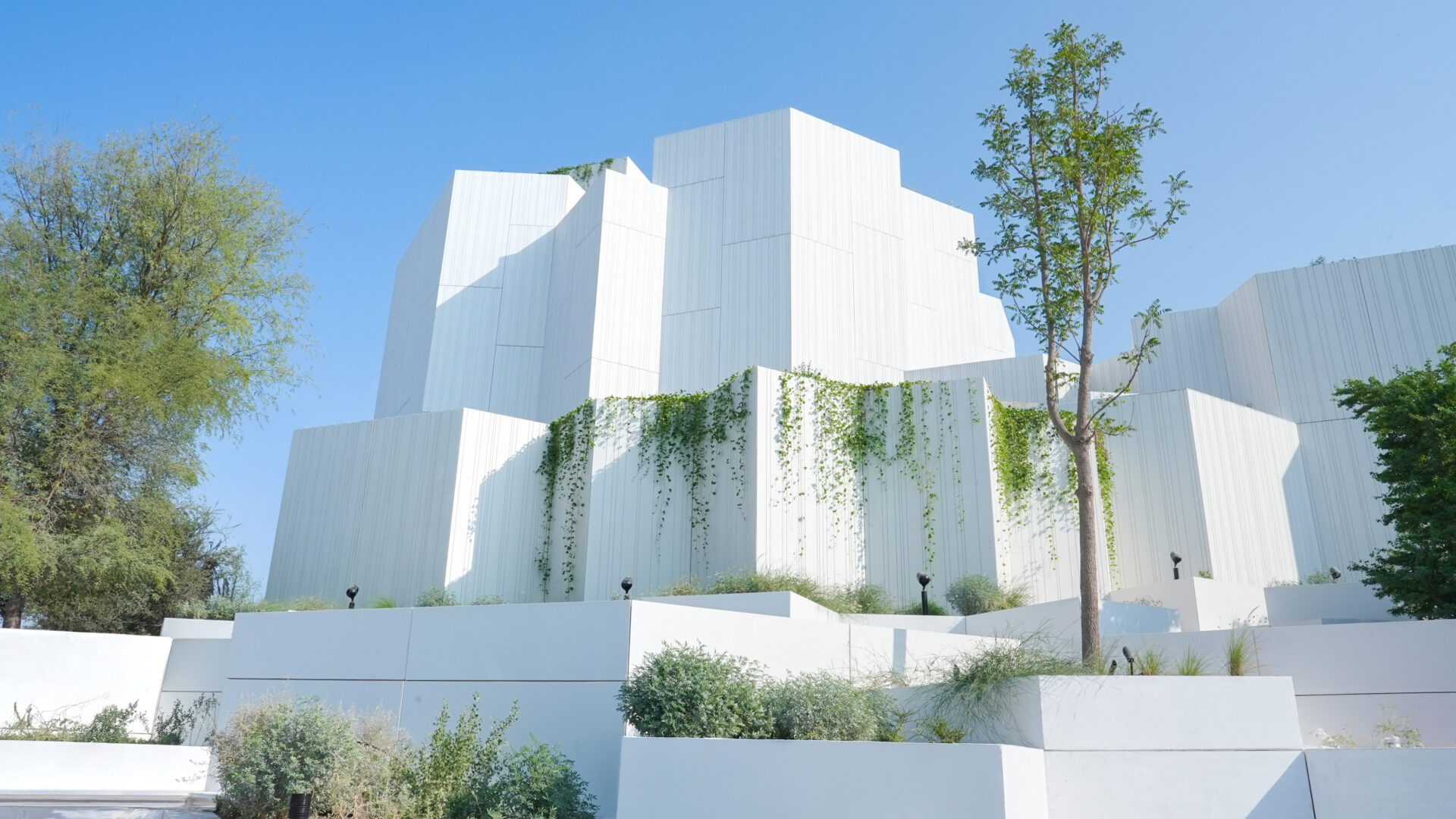
Set within Saadiyat Island’s cultural district, the Natural History Museum Abu Dhabi invites visitors to step beyond the present and into deep time. Spanning 13.8 billion years, it tells the sweeping story of the universe, from the first moments after the Big Bang to the rich diversity of life we know today.
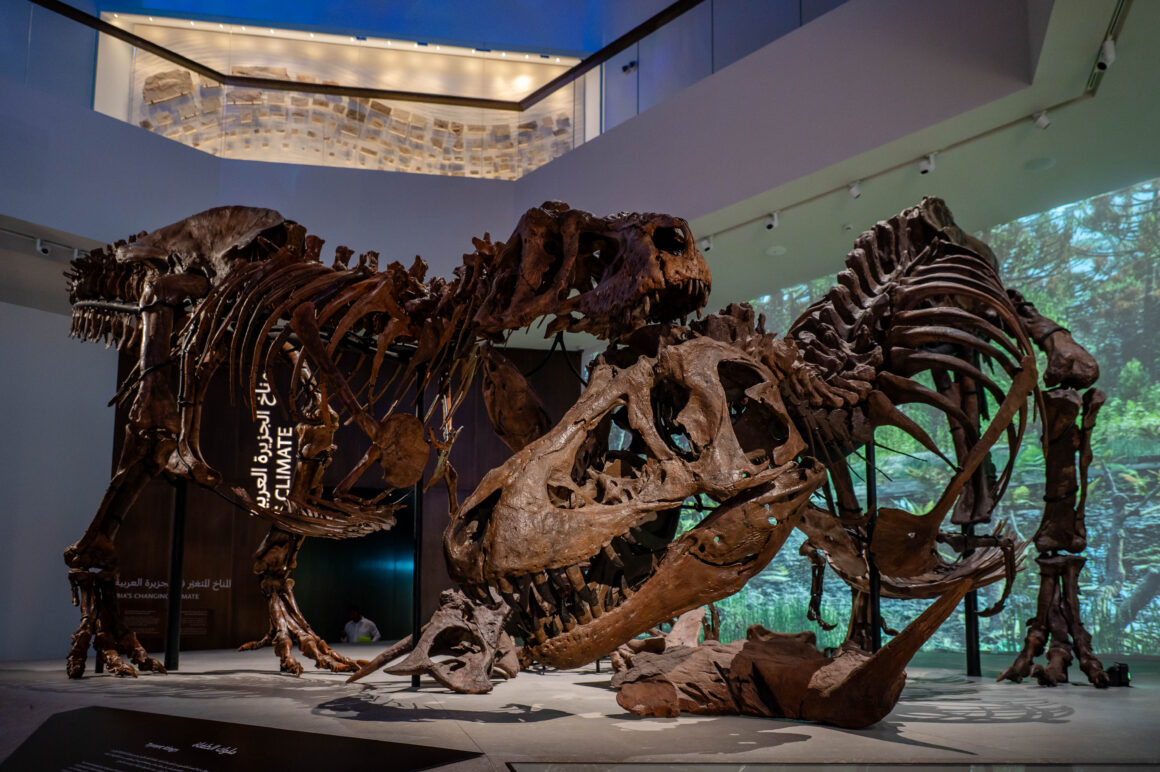
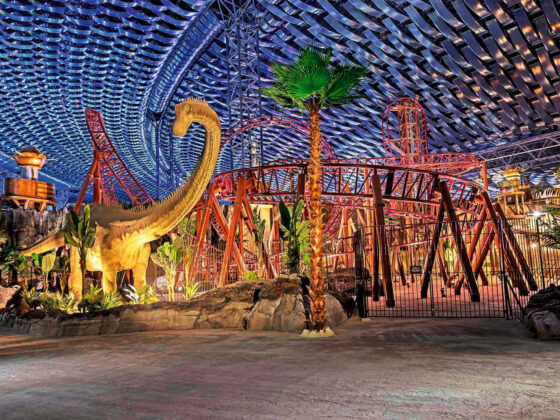
Inside, the journey unfolds as an immersive narrative rather than a series of static displays. Visitors travel through cosmic beginnings, the emergence of life, and the age of dinosaurs, encountering extraordinary specimens along the way. Highlights include “Stan,” one of the most complete Tyrannosaurus rex skeletons ever discovered, and the Murchison meteorite, whose origins predate our solar system itself.
What gives the museum its distinct voice is its connection to place. While global in scope, it brings the Arabian Peninsula into sharp focus, revealing a dramatically different past where Abu Dhabi was once a lush landscape inhabited by diverse wildlife.
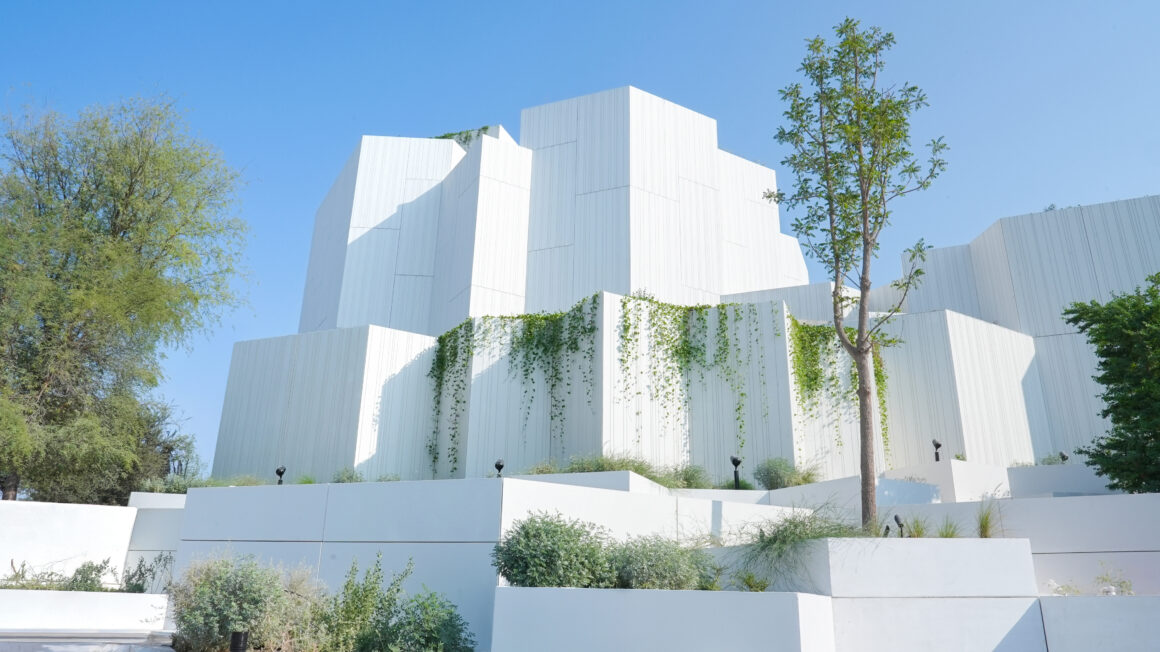
Beyond its galleries, the museum also serves as a centre for research and learning, contributing to scientific discovery while encouraging a deeper awareness of the natural world and our responsibility towards it.

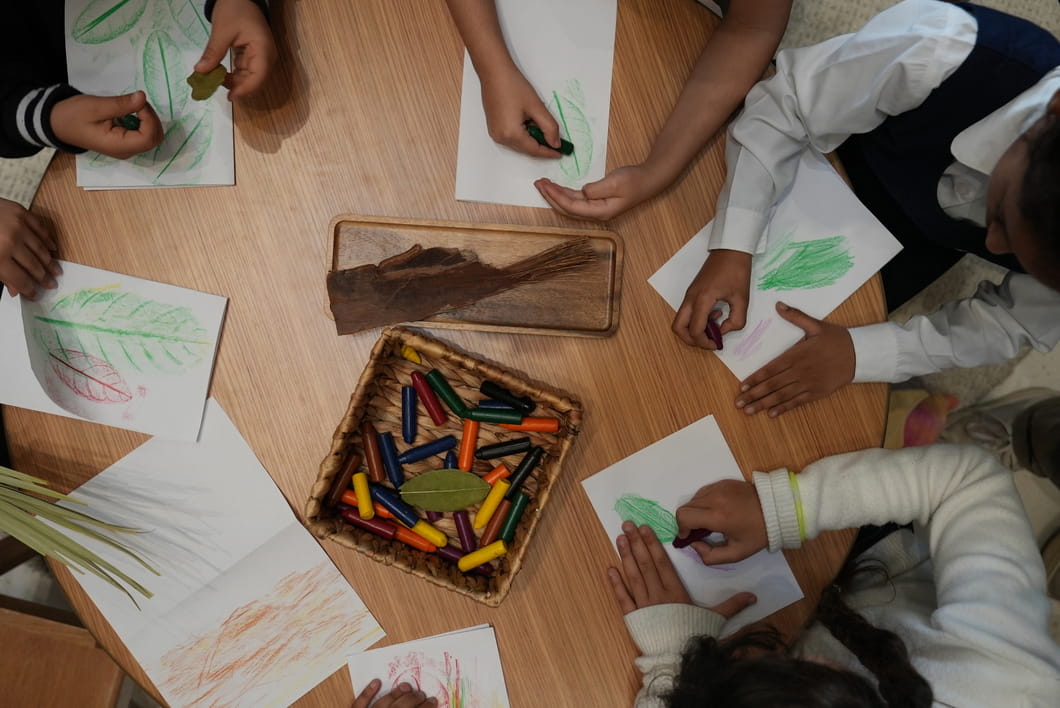
In a region shaped by constant evolution, the Natural History Museum Abu Dhabi offers something rare: a moment to pause, reflect, and consider our place within a story far greater than ourselves.
Zayed National Museum is located at the heart of Saadiyat Cultural District Abu Dhabi. The national museum of the United Arab Emirates celebrates the rich history, culture and stories of its people from ancient times to modern day.
It tells the story of the UAE’s Founding Father, the late Sheikh Zayed bin Sultan Al Nahyan, whose enduring example still guides the nation and its people today. Through its exhibitions, research and public programmes, Zayed National Museum explores the origins of the values that Sheikh Zayed embodied and their lasting influence on the country he founded.
Plan your visit to the museum and discover the story.
To discover more, or visit the museum, visit their website here.